
[The Seoul Metro Masterclass: 4-Part Survival Series]
To help you navigate Korea’s massive transit network solo with zero panic, Bapsim has broken down everything you need into a 4-part realistic survival guide:
Ever frozen looking at the Seoul subway map? Wondering "Am I on the right train?" is a completely natural moment for anyone traveling Korea solo. You don't need to memorize dozens of lines—just master local transit apps, in-station signage, and tricky split routes! Here are the essential tips to navigate like a pro!
1. Master Your Transit Apps
- 🥇 Naver Map (Essential All-in-One): Switch the app language to English to easily search for station names and locations. It guides you door-to-door from subway exits straight to your destination.
(💡 Tip: Look for numbers like 'Fast Transfer 3-2' in your route breakdown to board at doors right in front of the transfer stairs!)
- 🥈 Dedicated Metro Sub-Apps:
- Subway Korea (지하철종결자): Perfect if you just want a clean metro map, live train tracking, and timetables without walking directions.
- Kakao Metro: Great for a clean visual layout and setting arrival alarm alerts before your stop.
.
.
2. Local (All-Stop) vs. Express Trains
- Local (All-Stop): A standard train that stops at every single station along the line.
- Express (급행): Stops only at major hubs to shave off 10–20+ minutes, but skips smaller stations without stopping.
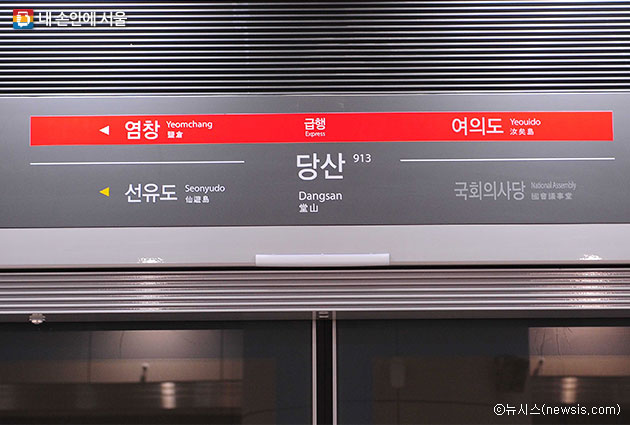
- Pre-Boarding Checklist:
- If you see RED [급행 / Express] text on platform screens or the train front, it's an express train.
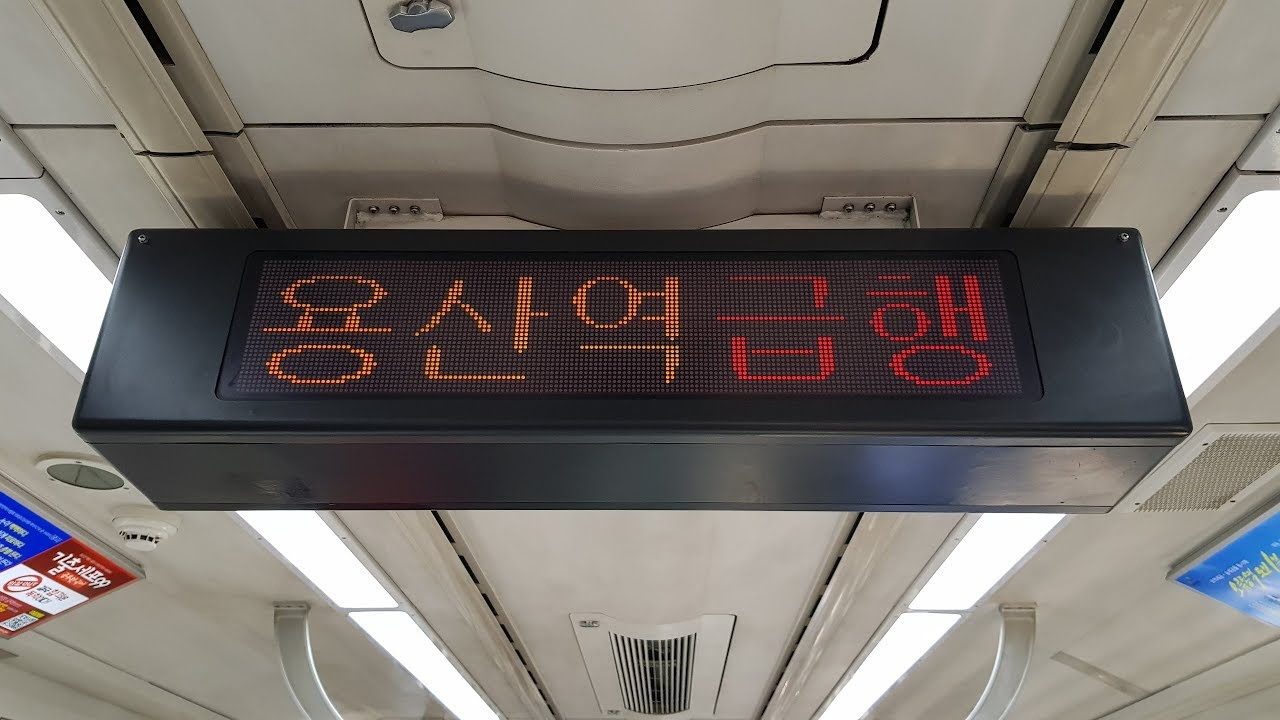
- Always double-check your map app to confirm your destination is an express stop.
- Line 9 Caution: Local and express trains share the exact same track. If your station isn't on the express route or you want to avoid heavy rush-hour crowds, wait for the Local train arriving right behind it.
- If you see RED [급행 / Express] text on platform screens or the train front, it's an express train.
.
.
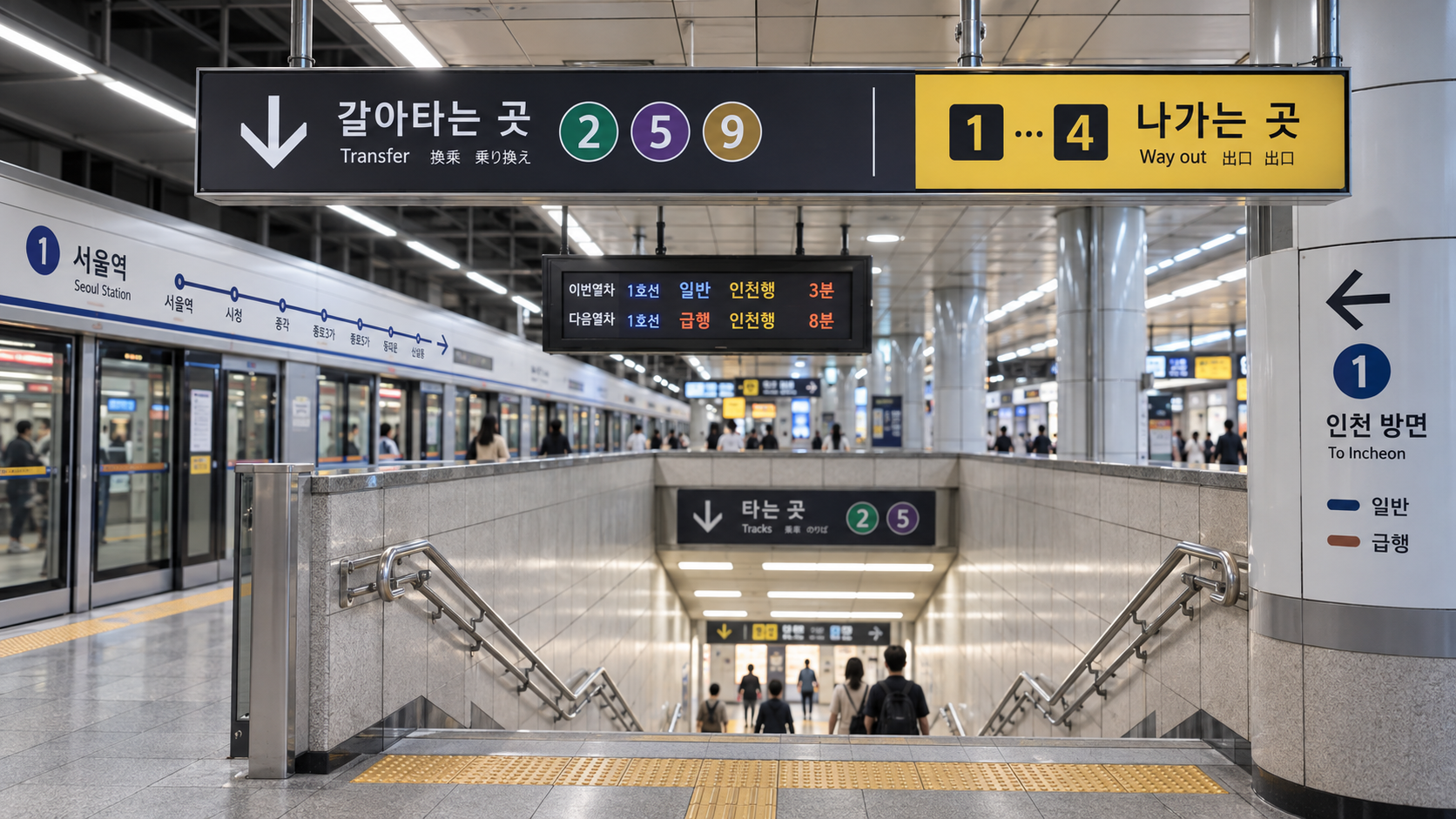
3. The 3-Step In-Station Wayfinding Rule
- Follow Line Color Ribbons
Simply follow the designated colored lines and arrows painted on floors and ceilings.
- Check the 'Bound for (~방면)' Sign
Before walking down stairs, look at overhead signs to ensure your destination is listed in that direction.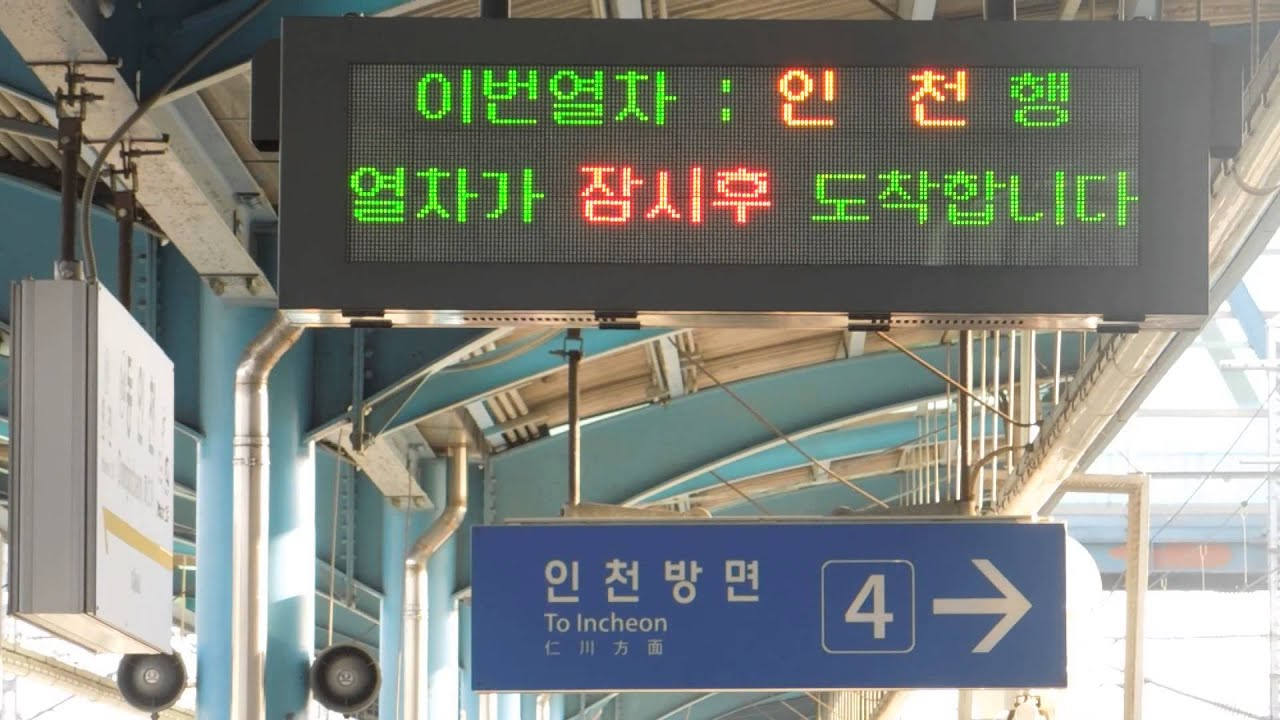
- Check Platform Screen Door Arrows
Stand on the platform and confirm the arrow strip above the screen doors points toward your next stop.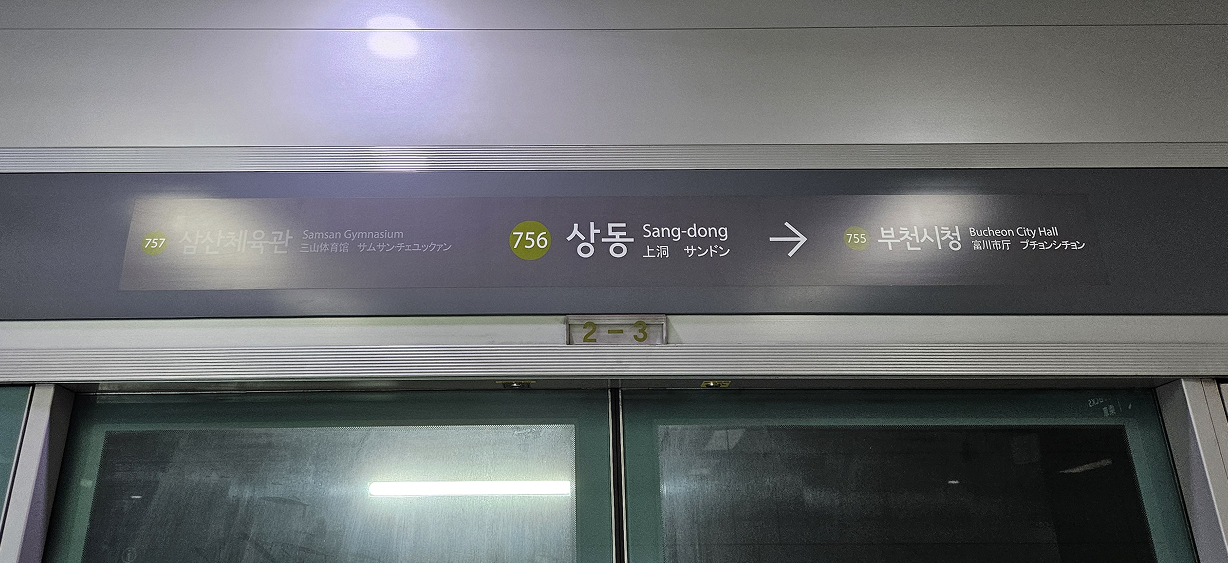
.
.
4. Watch Out: Tricky Branch & Loop Routes!
Even on the same line, tracks can split midway into two different cities (like Line 1 at Guro or Line 5 at Gangdong), or run as a one-way loop (Line 6 Eungam Loop).
Before stepping in, take 3 seconds to check the final destination on the front and sides of the arriving train!
Check out our 👉 ["Wait, Where is This Train Taking Me?!" The Ultimate Survival Guide to Seoul's Fork & Loop Lines] for the complete breakdown!
.
.
💡 Solo Survival Navigation Vocab & Phrases
| Korean Expression | Pronunciation | English Meaning | Practical Usage |
| 일반 / 급행 | Il-ban / Geup-haeng | Local / Express | Checking train type and stops |
| ~방면 / ~행 | ~bang-myeon / ~haeng | Bound for / Destination | Confirming directions on signs and screens |
| 종착역 | Jong-chak-yeok | Terminating Station | Identifying the train's final stop |
| 빠른 환승 | Ppa-reun hwan-seung | Fast Transfer | Finding quickest door numbers (e.g., 3-2) |
| 순환선 | Sun-hwan-seon | Loop Line | Identifying Line 2 & Line 6 loop routes |
| 이 열차 홍대 가요? | I yeol-cha Hong-dae ga-yo? | Does this train go to Hongdae? | Asking someone on the platform before boarding |
| 몇 번 출구로 나가야 해요? | Myeot-beon chul-gu-ro na-ga-ya hae-yo? | Which exit should I take? | Asking for the right street exit after gates |
Bapsim is Here for Your Journey in Korea
Never panic if you accidentally board an express train or end up on the wrong track! Even locals get confused sometimes—simply hop off at the next stop and cross over to the opposite side. Our sincere wish at Bapsim is that these practical tips make your daily steps in Korea lighter and full of confidence!