
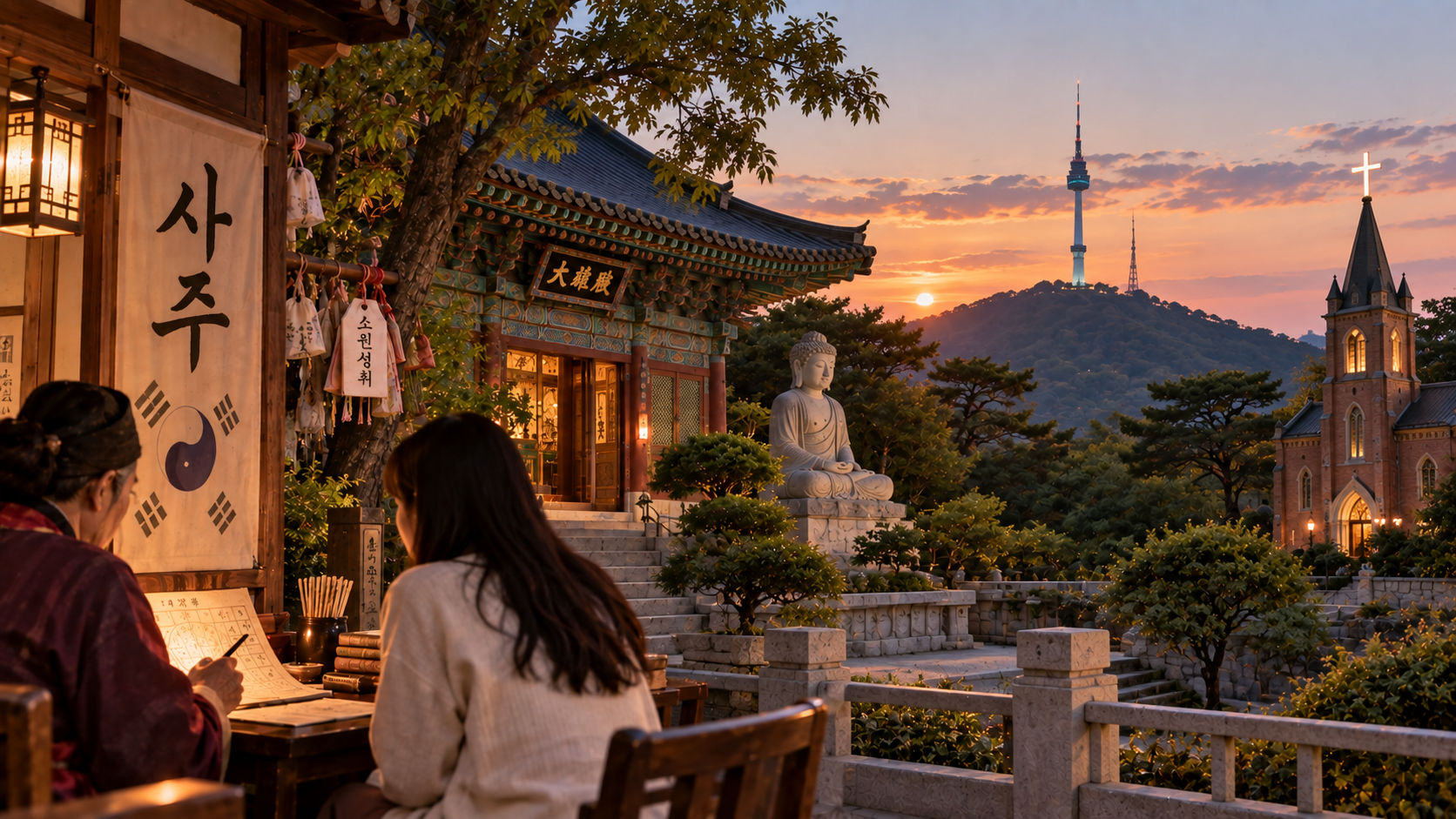
In Korea, it’s not unusual to see a church cross, a Buddhist temple, and a traditional shaman shrine all sharing the same street. Even though most people consider themselves non-religious, diverse faiths and everyday folk beliefs blend seamlessly into daily life.
1. Religious Culture in Korea
- According to national census data, over half of the Korean population (around 50–60%) identifies as non-religious.
- Among those who do follow an organized faith, the majority belong to Protestantism, Buddhism, or Catholicism, and conflicts between different religions are rare.
- It is entirely normal for parents and children in the same family to hold different beliefs or none at all, and both Buddha’s Birthday and Christmas are celebrated as national public holidays.
.
.
2. Everyday Saju and New Year’s Fortunes
- Even though most Koreans identify as non-religious, consulting Saju (Four Pillars of Destiny, rooted in Taoist and Yin-Yang philosophy) or checking New Year’s fortunes is quite common.
- Around the turn of the new year, many people check their fortunes simply to see what the coming year might bring.
- When facing major life transitions—such as job hunting, career moves, marriage compatibility (gunghap), or launching a new business—people often visit a Saju reader for reassurance and peace of mind.
.
.
3. Living Traditions of Shamanism and Folk Customs
- Shamanic Flags
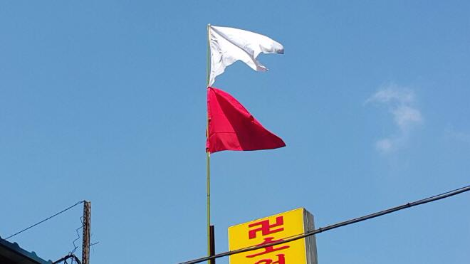
If you see red and white flags flying outside a house in a residential alley, it marks a shrine where a traditional shaman (mudang) offers fortune-telling and spiritual consultations. When going through stressful or uncertain times, quite a few people visit to seek guidance.
- The Gosa (告祀) Ceremony
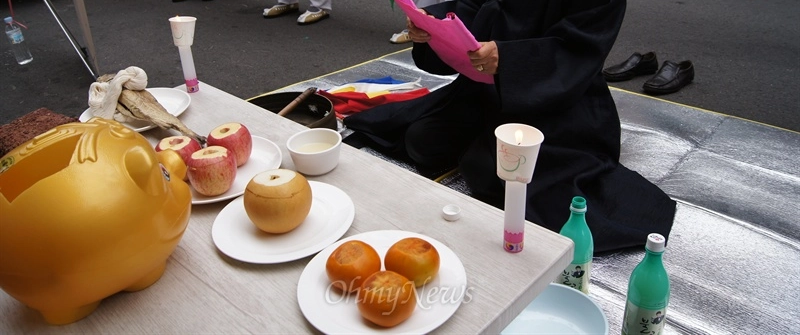
A ritual where people place a pig's head (or model) and rice wine to pray for safety and prosperity when opening a new shop or buying a new car—a practice that remains alive and well today.
- "Son-less" Days (손 없는 날)
Due to the traditional belief in choosing auspicious days when harmful spirits (son) are inactive, moving reservations frequently fill up quickly, and moving costs often surge on these specific dates.
💡 The Takeaway
In Korea, folk beliefs are rarely treated as rigid dogma. Instead, they serve as a familiar cultural habit and a subtle psychological safety net, helping people navigate life’s uncertainties with a bit more comfort and ease.